Eye conditions

Amblyopia

Amblyopia is reduced vision in one eye that develops during visual development in childhood. The brain gradually starts to prefer the better-seeing eye and suppresses the image from the other eye.

Amblyopia is reduced vision in one eye that develops during visual development in childhood. The brain gradually starts to prefer the better-seeing eye and suppresses the image from the other eye.

It is often referred to as a “lazy eye” and affects approximately 4% of children.

If amblyopia is not detected and treated early, it may lead to permanent visual impairment and often also relates to squint.

The difficulty is that amblyopia may not be obvious at first glance. A child can appear to function normally because the healthy eye sees well enough and the brain compensates by ignoring the image from the weaker eye.

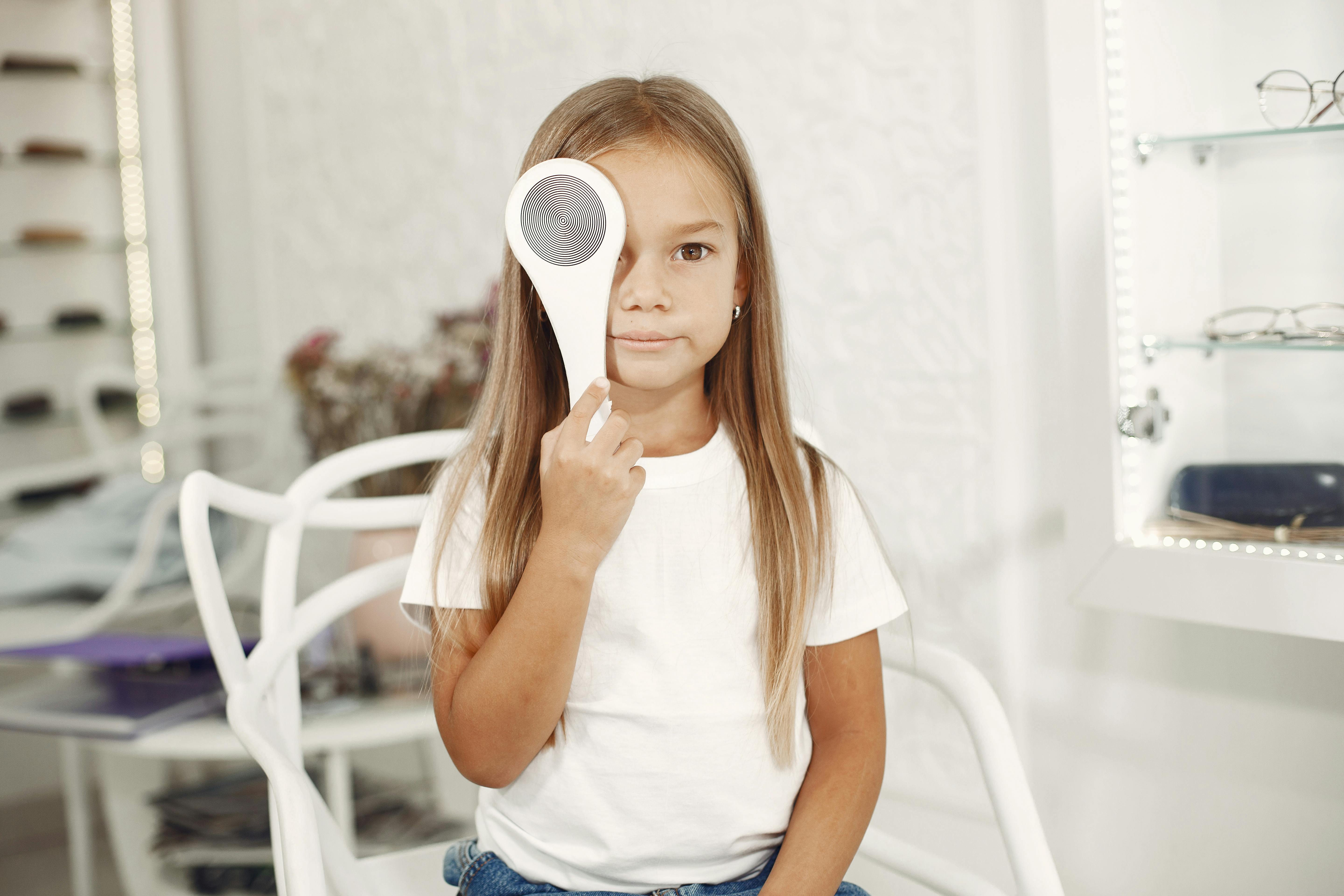
Child with an eye patch during a vision examination
Symptoms How can amblyopia present?
frequent stumbling or bumping into objects
poor distance judgement
clumsiness during movement or play
squinting or closing one eye
squinting the eyes
fatigue during reading or near work
avoiding some activities or games
Early detection Why is early treatment of amblyopia important?

The earlier amblyopia is detected, the greater the chance of successful treatment. The best results are achieved during the period when the child’s vision is still developing.

If you notice any of these signs, we recommend booking your child for an eye examination.

Treatment How is amblyopia treated?
properly adjusted spectacle correction
occlusion — covering the better-seeing eye with an eye patch
orthoptic and pleoptic exercises to support visual function

The goal of treatment is to support healthy visual development and improve eye coordination.

Not sure where to start?

Book an eye examination and our team will be happy to guide you.