Areas of Care

Orthoptics and Pleoptics

Orthoptics and Pleoptics focus on the diagnosis and treatment of visual function disorders.

Orthoptic-pleoptic therapy is suitable for both children and adults and often forms an important part of treatment for ocular disorders. In practice, orthoptics and pleoptics complement each other according to the findings of a specialist examination and the ophthalmologist’s recommendation.

It helps with conditions such as squint, binocular vision disorders, double vision, eye strain, focusing problems and difficulties with reading and concentration.

Early diagnosis of a visual problem and timely start of orthoptic-pleoptic exercises are essential. In the treatment of amblyopia, the best results are usually achieved up to around 12 years of age, which is why early detection and treatment are so important.

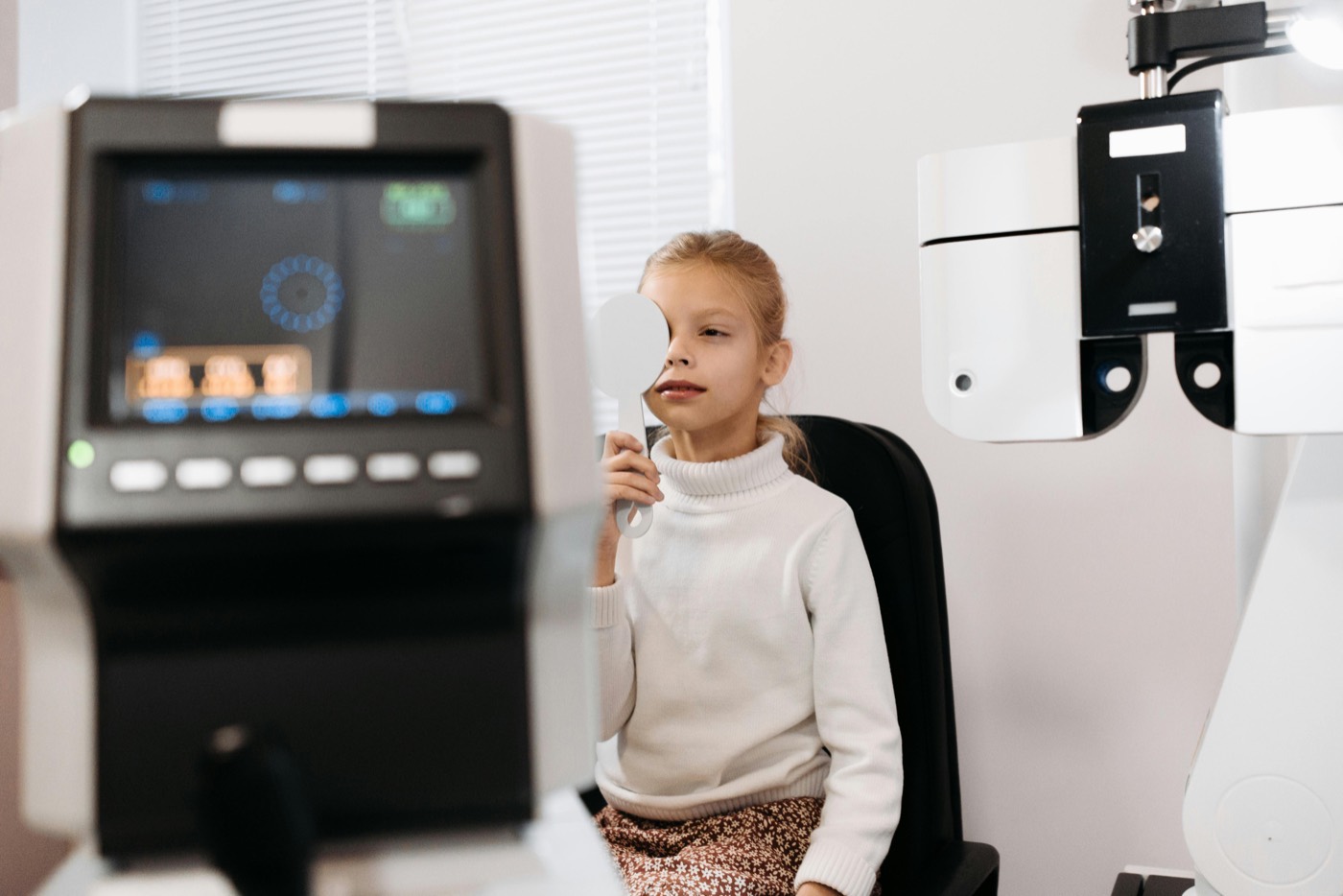
Child during an orthoptic examination in the clinic
How we help What do these approaches include in practice?

Pleoptics

Pleoptics is used mainly to support the development of visual functions in the weaker eye in cases of amblyopia. The goal of pleoptic treatment is to stimulate the weaker eye, encourage its more active involvement in vision and improve the quality of visual perception.

Therapy is tailored individually according to the patient’s age, the type of visual problem and specialist recommendation.

Orthoptic-pleoptic therapy

Orthoptic-pleoptic therapy is suitable for both children and adults and often forms an important part of treatment for ocular disorders. In practice, orthoptics and pleoptics complement each other according to the findings of a specialist examination and the ophthalmologist’s recommendation.

The most important factors are early diagnosis of the visual problem and timely initiation of orthoptic-pleoptic exercises, especially in amblyopia, usually up to about 12 years of age.

Professional recommendation When is therapy most beneficial?

Individual approach and correct timing

Orthoptic and pleoptic exercises should always be recommended on the basis of a specialist ophthalmic examination. Every type of visual problem requires an individual approach and correctly adjusted therapy according to the diagnosis, the patient’s age and the current state of visual function.

Regular, professionally guided exercises can help improve eye coordination, visual comfort and the overall quality of vision.

Not sure where to start?

Book an eye examination and our team will be happy to guide you.