Eye conditions

Progressive myopia

Progressive myopia is a form of short-sightedness that becomes stronger over time. Children usually see clearly at near, while distance vision gradually becomes blurred.

In progressive myopia, the prescription increases steadily, most often during childhood and adolescence. The eye grows more quickly than expected, and its axial length becomes longer, which drives further progression of short-sightedness.

The most noticeable increase in myopia often occurs between 6 and 10 years of age. In many patients, the prescription begins to stabilise between the ages of 20 and 24.

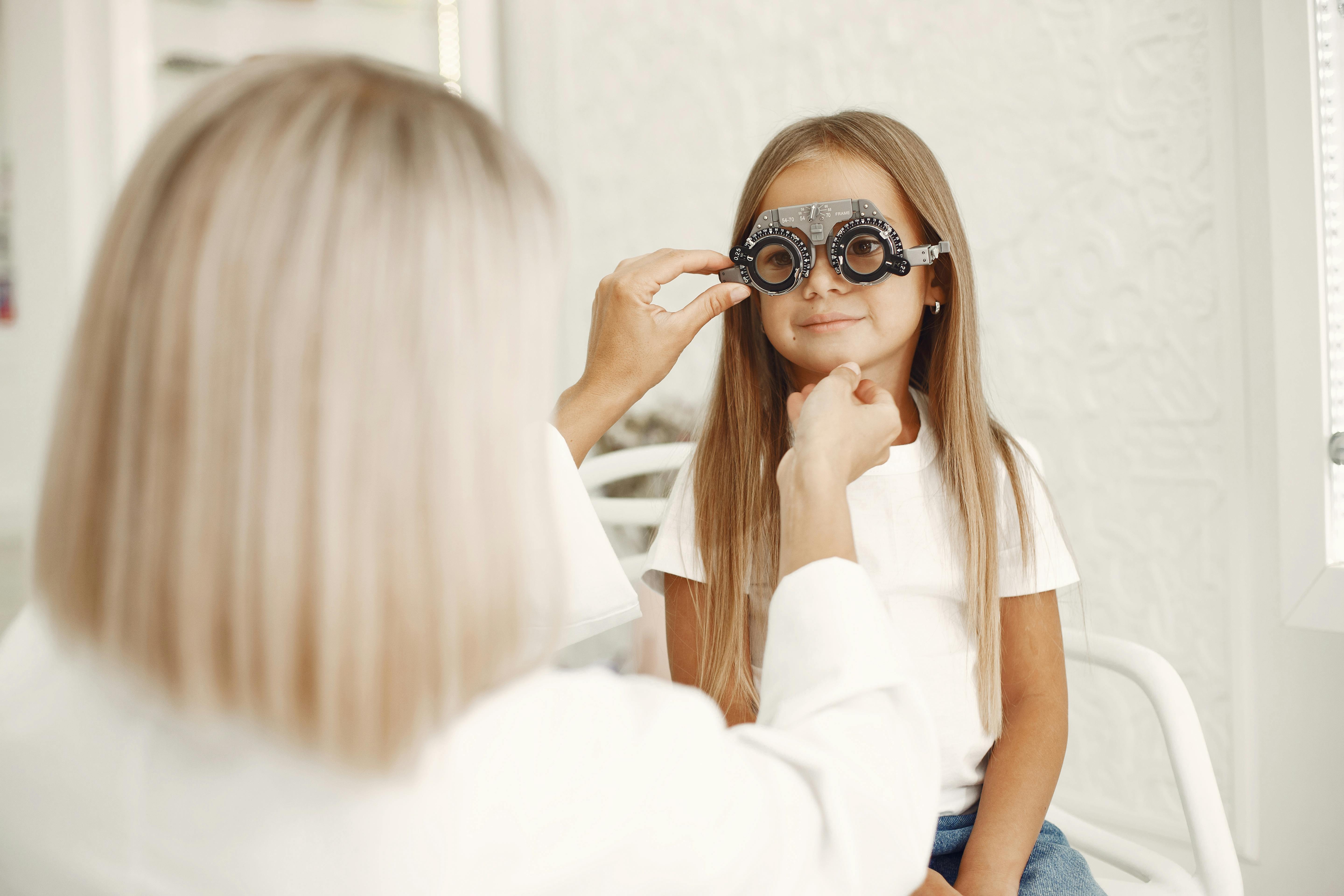
Child trying a trial frame during a vision examination
Symptoms How might myopia present?
blurred distance vision
squinting when looking into the distance
sitting very close to the television or tablet
frequent prescription changes
eye strain
headaches
concentration problems during reading or at school
Risk factors Risk factors for progressive myopia
genetic predisposition — if the parents are short-sighted
prolonged near work
excessive use of digital devices
insufficient time outdoors and lack of natural daylight
incorrectly or insufficiently corrected prescription
Why it matters Why is it important to manage progressive myopia?

Higher levels of myopia in adulthood are associated with a greater risk of serious eye disease, including:

retinal detachment
glaucoma
cataract
macular damage
degenerative retinal changes

That is why slowing the progression of short-sightedness from childhood is so important.

Management How can myopia progression be slowed?

Myopia management may include:

atropine eye drops
defocus contact lenses
orthokeratology contact lenses
specialist spectacle lenses designed to help slow myopia progression
Spectacle solutions Spectacle lenses designed to slow myopia progression

Modern myopia management lenses are designed not only to correct vision, but also to help slow any further increase in prescription. You can read more about suitable options in our Children's Eyewear section.

This is a non-invasive option for children and teenagers. Consistent wear may help reduce the likelihood of high prescriptions and the long-term complications associated with progressive myopia.

We usually recommend wearing the lenses for at least 12 hours a day.

ESSILOR STELLEST

How ESSILOR STELLEST lenses work

ESSILOR STELLEST lenses use H.A.L.T. technology.

They combine a central zone for clear distance vision with peripheral micro-zones that create myopic defocus.

This optical design helps slow axial elongation of the eye, which is the key driver of myopia progression.
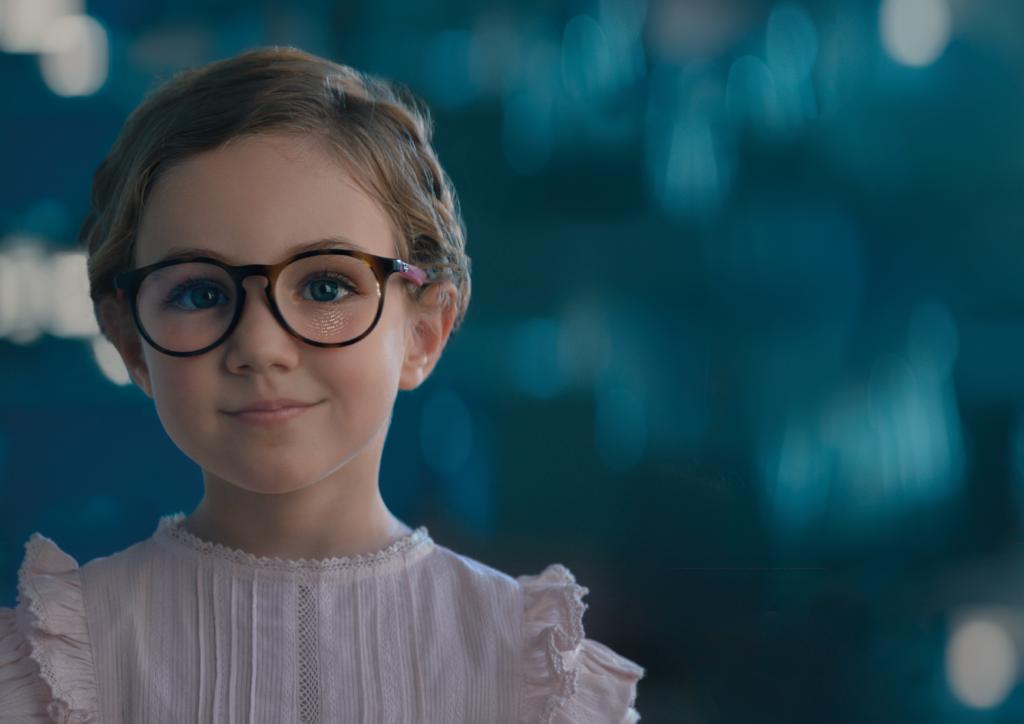

Child with glasses during the presentation of Essilor Stellest myopia-control lenses
Children with glasses during the presentation of ZEISS MyoCare myopia-control lenses

ZEISS MyoCare

How ZEISS MyoCare lenses work

ZEISS MyoCare lenses use peripheral defocus technology.

They combine a central zone for clear vision with a carefully designed peripheral zone that helps reduce the stimulus for further myopia progression.

ZEISS MyoCare
Particularly suitable for younger children who may be at risk of faster myopia progression.
ZEISS MyoCare S
More suitable for older children and teenagers.

The aim of myopia management is not only to improve vision, but above all to slow progression and support healthy visual development throughout childhood.

Not sure where to start?

Book an eye examination and our team will be happy to guide you.